Applications Library • Bakery

Hazelnut flour in gluten-free baking

A practical, procurement-ready overview of hazelnut flour in gluten-free baking — including flour selection (blanched vs. natural vs. roasted), particle size guidance, hydration and structure considerations, oxidation controls, and packaging approaches that protect aroma and shelf life.

Back to applications
Hazelnut flour in gluten-free baking illustration

Where it fits

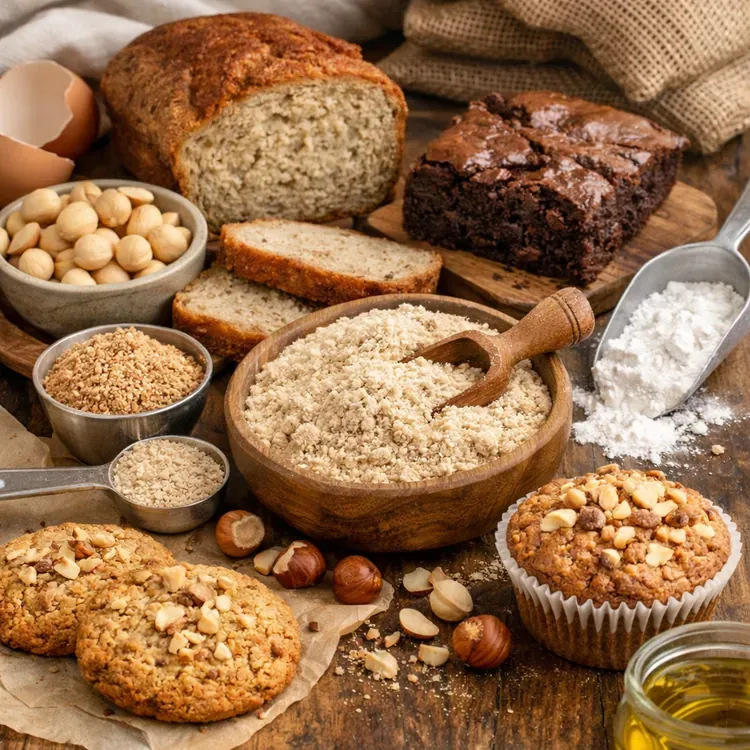
Hazelnut flour (and hazelnut meal) is a versatile ingredient in gluten-free baking because it adds natural richness, a mild sweetness, and a premium nut aroma that pairs well with cocoa, coffee, spices, citrus, vanilla, and dairy notes. It’s commonly used in cookies, muffins, cakes, brownie-style items, tart shells, and “better-for-you” bakery where texture and flavor matter as much as volume.

In gluten-free systems, hazelnut flour is typically used as a functional partner to starches and binders: it can improve tenderness and eating quality, but because it contains no gluten, structure must come from the rest of the formula (e.g., eggs, hydrocolloids, proteins, and optimized starch blends). The main drivers in this application are flavor consistency, particle control, and oxidation management (to protect aroma over shelf life).

Export-ready documentation Lot traceability Defined granulation Bulk & retail options

Recommended formats

Typical starting points for pilots and scale-up. In gluten-free baking, the best “starting” format is usually blanched flour/meal, then you fine-tune roast level, granulation and packaging to match your texture and shelf-life targets.

  • Hazelnut flour / meal (blanched) – clean color, smoother appearance, and broad compatibility across cookies/cakes.
  • Hazelnut flour / meal (natural) – contains skin particulates; stronger nut character and slightly darker crumb.
  • Roasted hazelnut flour / meal – deeper toasted aroma for chocolate/coffee profiles; manage oxidation carefully.

Hazelnut paste/puree is usually used for brownies, fillings, and laminated/fat-rich systems where a smooth texture is desired.

Technical considerations

The most common variables that impact mixing behavior, batter viscosity, finished texture, and shelf life in gluten-free bakery systems.

  • Granulation / particle distribution: affects hydration, viscosity, crumb openness, and dusting behavior.
  • Oil content & “richness” effect: improves tenderness but can reduce structure at higher usage levels.
  • Oxidation protection: flour has higher surface area; oxygen barrier packaging helps preserve aroma.
  • Moisture & flowability: controls clumping/caking and supports consistent dosing in production.
  • Allergen controls: critical for label accuracy and line segregation planning.
  • Gluten-free program needs: if you require gluten-free handling, define your cross-contact expectations early.

Packaging approach

We can supply lined cartons, barrier bags, vacuum or MAP options and palletization suited to sea, road or air freight. For flour/meal formats, oxygen and humidity barriers are the two most important protections.

  • Flour/meal: high-barrier bags (humidity + oxygen) to maintain flowability and aroma.
  • Roasted flour: enhanced oxygen protection to preserve toasted notes during distribution.
  • Bulk programs: consistent labeling and pallet patterns for receiving efficiency and lot traceability.
See bulk supply details →

Why hazelnut flour works in gluten-free systems

Hazelnut flour contributes both flavor and function. The fine nut solids help create a satisfying “bakery-like” bite, while the natural fat content supports tenderness and richness that can be difficult to achieve with starch-heavy gluten-free blends.

Because hazelnut flour does not form gluten, it is typically used to improve eating quality rather than as the sole structural base. The most successful gluten-free products treat it as a co-flour: pair it with starches (for lift/crumb) and binders/proteins (for structure and sliceability).

What you wantHow hazelnut flour helpsWhat to watch
Richer flavor & aroma Natural nut sweetness and roasted notes (especially with roasted flour) Over-roast can introduce bitterness; protect from oxygen to avoid stale notes.
Tender, premium bite Fat + fine solids support a moist, soft crumb in cakes/cookies High inclusion can reduce structure; balance with binders/proteins.
Improved mouthfeel Reduces “starchy” perception common in GF formulas Very fine flour can increase batter thickening; validate mixing and hydration.
Better label appeal Recognizable ingredient for premium and “better-for-you” positioning Allergen declaration and cross-contact controls must be aligned.

Practical tip: if your gluten-free cakes are tender but collapse, reduce hazelnut flour slightly or strengthen structure (protein/binder balance) before changing the flour itself.

Selection guide: blanched vs. natural vs. roasted flour

Choosing the right hazelnut flour style is usually a decision about color, flavor intensity, and process behavior. In gluten-free bakery, “blanched flour” is the most common baseline for consistent appearance and broad application fit.

OptionBest forNotes
Blanched hazelnut flour Cookies, cakes, muffins, tart shells; lighter crumbs and cleaner visuals Most versatile; helps avoid skin specks and darker coloration.
Natural hazelnut flour Rustic products, darker batters, “whole-food” positioning Contains skin particles; stronger nut character and darker crumb.
Roasted hazelnut flour Chocolate/coffee profiles, brownies, premium cookies Stronger aroma; requires tighter oxidation control and consistent roast definition.
Hazelnut meal (coarser) Crunchy cookies, crumb toppings, textured inclusions More texture; may require adjusted hydration and mixing to avoid dry bite.

Typical usage levels depend on product type and texture goals. Many formulas start by partially replacing a portion of the base gluten-free flour blend, then iterate hydration and binders to meet volume and crumb targets.

Process notes: hydration, mixing, and shelf-life stability

Hazelnut flour behaves differently than cereal flours because of its fat content and fine particle surface area. Most process tuning focuses on hydration (batter viscosity), mixing order (to reduce lumping), and storage protection (to preserve aroma and prevent oxidation).

  • Hydration: validate batter viscosity early—fine flour can thicken mixes; coarser meal behaves more like an inclusion.
  • Mixing: sieve or pre-blend hazelnut flour with other dry ingredients to reduce clumping and improve dispersion.
  • Fat migration: in layered products and filled cookies, nut fats can soften adjacent layers; plan barriers or formulation adjustments.
  • Oxidation: roasted formats are most sensitive; protect with oxygen-barrier packaging and avoid unnecessary headspace.
  • Storage: keep cool and dry; define shelf-life expectations by format (flour/meal vs. paste) and packaging barrier.

If you’re scaling from pilot to production, share your target particle style, product type, and packaging format. We can help align granulation, roast definition (if applicable), and documentation to reduce variability between shipments.

Typical specification markers

Below is a practical checklist used by procurement and QA teams for hazelnut flour in gluten-free baking. Flour/meal formats generally add extra focus on granulation consistency, flowability, and oxidation controls due to higher surface area compared to whole kernels.

ParameterHow we align itWhy it matters
Granulation / screen profileDefined particle distribution and tolerancesControls hydration, batter viscosity, and finished crumb.
MoistureControlled to your target rangeSupports flowability and reduces caking/clumping risk.
Defect sorting (input kernels)Screened and optically sorted where requiredSupports consistent flavor and reduces visual defects.
Micro profileAligned to customer specifications and destination requirementsSupports QA release and audit readiness.
AflatoxinManaged through risk-based sourcing and partner controlsKey compliance marker in many markets.
Oxidation managementOxygen barrier packaging / headspace control as requiredProtects aroma and reduces risk of stale/rancid notes.
PackagingBarrier bags, liners, vacuum/MAP when requiredProtects against oxygen and humidity during transit and storage.
Allergen & cross-contact planDocumentation and segregation planningCritical for label accuracy and customer compliance programs.

Final values depend on flour style (blanched/natural/roasted), customer specifications and destination requirements. We share lot documentation with each shipment and can standardize specs for long-term programs.

FAQ

Which hazelnut format is most common for hazelnut flour in gluten-free baking?

Most gluten-free baking programs use blanched hazelnut flour or meal as the primary format because it provides a clean color, consistent particle behavior, and mild nut sweetness. Roasted flour is used when a stronger toasted note is desired, while paste/puree is typically reserved for brownies, fillings, and spread-style products where a smooth texture is required.

How does hazelnut flour change gluten-free dough and batter performance?

Hazelnut flour adds fat and fine solids that increase richness and tenderness, but it can also reduce structure if used at high levels because it contains no gluten. Most formulations balance hazelnut flour with starches and binders (for structure) and adjust hydration to maintain volume, sliceability, and crumb. Granulation matters: finer flour can thicken batter more, while coarser meal adds texture.

Can you match a target particle size or flour style?

Yes. We can supply hazelnut flour/meal with defined granulation and screen profiles (including blanched vs. natural vs. roasted), and align it to your process (cookies, cakes, muffins, loaf-style products). Particle distribution affects hydration, batter viscosity, crumb openness, and dusting behavior.

Do you support long-term supply programs?

Yes. We structure annual and multi-shipment programs with consistent specifications, batch documentation (COA), and forecast-based planning to support stable quality and uninterrupted production.

Next step

Send your target product (cookie, cake, muffin, loaf, brownie), flour style preference (blanched/natural/roasted), quantity and destination. We will propose the right granulation, packaging, and documentation set for your gluten-free baking program.

  • For light-colored crumbs: choose blanched flour with defined granulation.
  • For chocolate/coffee profiles: consider roasted flour with enhanced oxygen protection.
  • For dosing consistency: align particle distribution and flowability to your handling equipment.
Review products