Applications Library • Retail

Hazelnut kernels in mixed nut assortments

A practical, procurement-ready overview of how hazelnut kernels are used in mixed nut assortments — including recommended formats, sizing and roast guidance, blend consistency controls, and packaging approaches for retail shelf life.

Back to applications
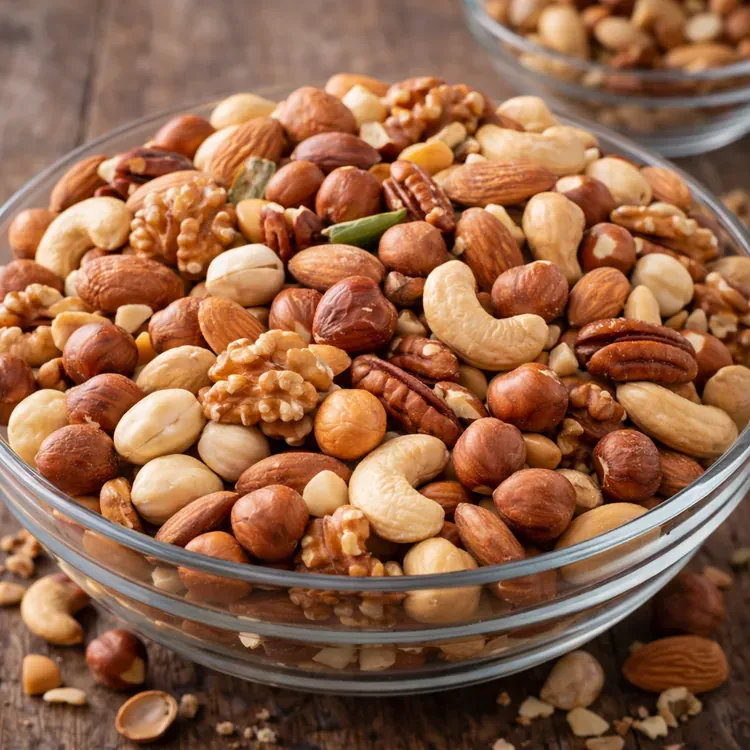
Hazelnut kernels in mixed nut assortments illustration

Where it fits

Mixed nut assortments are judged instantly by consumers: the blend must look premium, taste fresh, and remain crisp through the entire shelf-life window. Hazelnut kernels contribute a distinct sweet, rounded aroma and a pleasing bite that pairs well with almonds, cashews, peanuts, pistachios, and dried fruit inclusions.

In retail assortments, the main drivers are appearance consistency (size and color), flavor repeatability (roast level), and shelf stability (oxidation control). We support brands and co-packers by aligning kernel sizing, sorting/defect limits, and packaging protection to your target pack format and distribution channel.

Typical use cases

  • Classic mixed nuts (salted/unsalted) where kernels must match the blend’s visual grade.
  • Premium snack mixes with roasted profiles, herbs/spices, or honey-style seasonings.
  • Fruit & nut mixes where hazelnut sweetness balances dried fruits and chocolate-style inclusions.
  • Retail jars, pouches, and sachets where fill performance and breakage control are important.
Retail-ready specs Lot traceability Calibrated sizing Bulk & private label

Allergen note: Mixed nut assortments usually carry multi-allergen labeling. Hazelnuts are a tree-nut allergen; align allergen statements and cross-contact controls with your destination market requirements.
Recommended formats

Common starting points for retail mixes. We adapt sizing, roast, and packaging to match blend ratios, pack format, and shelf-life goals.

  • Natural kernels (calibrated) for blends requiring a light, “clean” nut profile
  • Roasted kernels for stronger aroma and premium snack positioning
  • Blanched kernels for lighter color targets and a more uniform look
  • Chopped / diced for smaller-piece mixes and controlled portioning

Hazelnut oil is typically a seasoning component rather than the primary format for mixed assortments. Most mixes are built on whole kernels and controlled pieces.

Technical considerations

Variables that influence blend appearance, freshness perception, and operational performance in packing lines.

  • Size calibration: align hazelnut size to other nuts to reduce segregation and improve shelf appearance.
  • Breakage control: define allowable halves/pieces and handling guidance to protect premium appearance.
  • Roast alignment: roast level impacts aroma, color, and perceived sweetness; lock a target sensory profile.
  • Salt/seasoning compatibility: surface oils can affect seasoning adhesion and clumping—optimize your coating step.
  • Oxidation protection: roasted kernels and higher surface area pieces need stronger oxygen control to preserve freshness.
  • Foreign matter & defect limits: sorting targets and inspection standards should match retail grade expectations.
  • COA and traceability: documented lots support consistent releases and retailer audits.

Procurement tip: define a “consumer-facing spec” (size, color, defect limits, roast/sensory) plus a “safety spec” (micro and risk management expectations). Mixed assortments are as much about visual uniformity as they are about taste.

Packaging approach

We can supply lined cartons, vacuum or MAP options, and palletization suited to sea, road, or air freight. Packaging selection depends on roast level, route time, and the sensitivity of your target shelf-life.

For roasted kernels and smaller pieces: oxygen barrier packaging and temperature management help preserve aroma and reduce rancidity risk. For long distribution chains, many brands choose MAP or vacuum formats for added protection.

See bulk supply details →

Designing a consistent retail mix

Retail mixed nuts are often produced across multiple packing runs and distributed through varied climates and transit times. That makes consistency a combination of ingredient specification and packaging protection.

What most brands lock in

  • Kernel size range that matches the mix (reduces segregation and improves the “premium look”).
  • Roast definition (light/medium/dark) and sensory descriptors for repeatable taste across lots.
  • Allowable breakage to protect appearance while maintaining operational practicality.
  • Oxidation control plan aligned to intended shelf life (packaging, storage, and handling guidance).

Operational considerations (co-packers and brands)

  • Blend uniformity: align nut sizes and densities where possible; use appropriate mixing and transfer methods.
  • Filling performance: consistent piece size improves volumetric filling and reduces weight variability.
  • Seasoning and coatings: define oil/salt distribution and manage moisture to reduce clumping.

If you are launching a new assortment, a common approach is to start with calibrated natural kernels, validate shelf stability in your pack format, then introduce a roasted variant once oxidation protection is optimized.

Typical specification markers

Below is a practical checklist used by procurement and QA teams for hazelnut kernels in mixed nut assortments. We align each item to your destination market, retailer requirements, and the processing level (natural, blanched, roasted, pieces).

ParameterHow we align it
Size calibrationDefined range to match your blend and improve visual uniformity
Breakage / halvesAgreed allowable limits to protect premium appearance and reduce pack variability
Roast profile (if roasted)Aligned to aroma/color target; consistent roast definitions across shipments
MoistureControlled to support crispness and reduce clumping
Defect sortingScreened and optically sorted where required; documented defect limits
Foreign matter controlsProcess controls and agreed inspection standards aligned to retail grade
Micro profileAligned to customer specifications and destination requirements
AflatoxinManaged through risk-based sourcing and partner controls
Oxidation-control planPackaging selection and handling guidance aligned to shelf-life expectations
PackagingVacuum / MAP / liners and export cartons as required; palletization for your lane
TraceabilityLot documentation pack and COA flow with each shipment

Final values depend on the product form and customer requirements. We share lot documentation with each shipment and can align your incoming inspection checks to the agreed retail specification.

FAQ

Which hazelnut format is most common for hazelnut kernels in mixed nut assortments?

Most retail mixes use whole hazelnut kernels (natural or roasted) in a defined size calibration so the blend looks consistent and portioning is predictable. Blanched kernels are used when a lighter color target is required, and chopped formats are used for smaller-piece snack mixes.

How do you keep mixed nut assortments consistent in appearance and taste?

Consistency is achieved by aligning kernel sizing, roast level, and defect limits, then using oxidation-protective packaging. Many brands also lock blend ratios and define allowable breakage so every pouch or jar matches the target consumer experience.

Can you match a target particle size or cut?

Yes. We can supply calibrated kernels by size and provide controlled cuts (sliced, diced, chopped) with agreed tolerance bands to match your blending, filling, and retail pack formats.

Do you support long-term supply programs?

Yes. We structure annual and multi-shipment programs with consistent specifications, batch documentation, and forecast-based planning to help retail and co-packers maintain stable inputs throughout the year.

Next step

Send your target mix type (classic, roasted & salted, fruit & nut), pack format (pouch, jar, sachet), expected monthly volume, and destination. We will propose suitable kernel sizes, roast options, packaging protection, and a shipment plan aligned to your shelf-life goals.

Review products