Applications Library • Industrial

Hazelnut oil as a clean-label release agent

A practical, procurement-ready overview of using hazelnut oil as a clean-label release agent — including where it fits in bakery and confectionery processing, application methods (spray/wipe/brush), residue and oxidation control, typical quality markers, and packaging/logistics approaches for repeatable release performance.

Back to applications
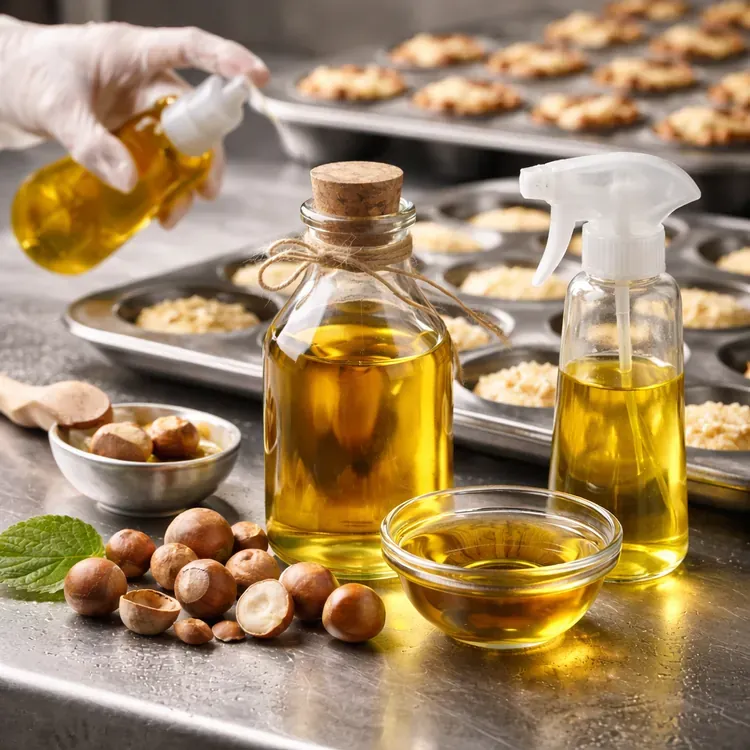
Hazelnut oil as a clean-label release agent illustration

Where it fits

“Release agents” create a thin film that helps products separate cleanly from contact surfaces such as molds, pans, trays, rollers, and deposit nozzles. In many facilities, the move toward simpler ingredient statements and plant-based processing aids has increased interest in clean-label oils as alternatives to more engineered release systems.

Hazelnut oil can serve as a release agent where a food-grade, label-friendly oil film is acceptable and where the production team wants reliable release without excessive residues. The key drivers are consistent release behavior, low sensory impact, controlled oxidation, and clean handling in spray or wipe systems.

Important: hazelnut is a tree nut. The suitability of hazelnut oil as a processing aid depends on your allergen policy, cleaning validation, cross-contact risk management, and destination market/customer requirements.

Export-ready documentation Lot traceability Consistent filtration Bulk & retail options

Recommended formats

Typical starting points for trials and scale-up. We align oil style, filtration and packaging to your equipment and QA targets.

  • Refined hazelnut oil (neutral odor, clean film, predictable release)
  • Cold-pressed hazelnut oil (more character; selected when acceptable)
  • Roasted kernels (for customers pressing oil in-house)

Technical considerations

Variables that most often impact release performance, residues, and line stability.

  • Film thickness control (thin, uniform application prevents build-up)
  • Oxidation management (fresh oil targets to avoid off-odors and dark residues)
  • Viscosity and sprayability at operating temperature
  • Cleaning compatibility and allergen control planning

Packaging approach

Bulk packaging designed for sealed handling, clean dispensing, and protection from light/oxygen during export.

For release-agent use, stability is strongly linked to storage and handling: sealed containers, controlled headspace, and cool, dark storage help keep the oil neutral and consistent in spray or wipe systems.

See bulk supply details →

How hazelnut oil works as a release agent

Release performance is created by a stable, continuous oil film between the product and the surface. When that film is too thin, sticking increases. When it is too thick, you may see excess oil pickup, surface marks, or residue build-up that darkens during heat cycles.

Application methods

Most facilities apply release oil using one of three methods: spray systems for repeatability, wipe application for small-batch or manual lines, or brush application for targeted coverage. Spray systems usually benefit from consistent filtration and stable viscosity at your operating temperature, which helps maintain nozzle performance and uniform film thickness.

Residues and oxidation

In heated equipment, residual oils can slowly oxidize and polymerize, leading to sticky build-up or darker residues over time. The best control strategy is: start with fresh oil (low oxidation markers), keep oxygen exposure low, and avoid overheating in storage/holding tanks. Thin-film application and routine cleaning cycles also reduce long-term residue.

Sensory impact

Refined hazelnut oil is typically selected when you want the release effect with minimal flavor contribution. Cold-pressed oil may carry more natural aroma and color, which can be desirable in some artisanal products but should be validated in finished-product sensory testing.

Practical tip: during trials, track (1) release force or sticking rate, (2) oil pickup on product, and (3) residue build-up after repeated heat cycles. These three indicators usually determine the best oil type and application rate.
Line trial & scale-up checklist

Clean-label release programs work best when you lock in a repeatable application method and specification targets. The checklist below is commonly used by production and QA teams during trials and scale-up.

AreaWhat to defineWhy it matters
Surface & product Surface type (metal, coated, silicone), product fat/sugar content, and process temperature Release behavior is highly dependent on surface energy and thermal cycling
Oil selection Refined vs cold-pressed; odor/color acceptance; filtration/clarity Controls sensory impact, sprayability, and residue risk
Application method Spray/nozzle setup, wipe SOP, or brush protocol; target film thickness Reduces variability and prevents over-application
Oxidation control Peroxide/secondary oxidation targets; sealed handling; storage temperature Helps avoid off-odors and dark build-up over time
Cleaning validation Cleaning cycle, verification approach, allergen controls Supports safe operations and customer/allergen requirements
Documentation COA flow, traceability, country of origin, and product statements Supports audits, customer approvals, and long-term procurement

Targets and validation steps depend on your process, customer requirements, and destination market. We align supply programs around your agreed specification and provide lot-level documentation with each shipment.

Typical specification markers

Below is a practical checklist used by procurement and QA teams for hazelnut oil used as a release agent. The focus is on freshness, neutral sensory profile, and consistent handling in application equipment.

ParameterHow we align it
Oil typeRefined or cold-pressed; matched to sensory and process needs
Peroxide value (PV)Freshness targets aligned to storage window and performance needs
Anisidine / secondary oxidationMonitored to prevent off-odors and dark residues over heat cycles
Free fatty acids / acid valueAligned to quality targets for stable performance
Moisture & impuritiesControlled with filtration and handling; supports nozzle stability
Clarity / filtrationAligned to spray/wipe systems to reduce sediment and build-up
Color & odorDefined acceptance criteria (especially for “neutral” release use)
Allergen statementTree nut allergen documentation and traceability for audits
PackagingSealed drums/jerrycans/IBC with export-ready palletization
Traceability & COALot-level batch IDs with COA flow per shipment

Final values depend on product type, equipment, and customer requirements. We share lot documentation with each shipment and can align sampling plans for long-term programs.

FAQ

Which hazelnut format is most common for hazelnut oil as a clean-label release agent?

For release-agent applications, the most common starting point is hazelnut oil—typically refined for a neutral odor and cleaner release performance. Roasted kernels are mainly used when customers press oil in-house or want a roasted-nut story, but for process release the oil format is the practical default.

Where is hazelnut oil used as a release agent?

Hazelnut oil can be used on pans, molds and contact surfaces in bakery and confectionery processing where a plant-based, clean-label oil film is desired. Suitability depends on the product, equipment temperature, sensory impact, allergen policy, and cleaning validation approach.

How do you prevent off-odors or residues over time?

Define freshness targets (peroxide/secondary oxidation), keep the oil sealed and protected from light, apply a thin and uniform film, and store cool. Consistent filtration and controlled application equipment help reduce nozzle issues and avoid build-up that can darken over repeated heat cycles.

Can you support long-term, repeatable supply for industrial lines?

Yes. We structure annual and multi-shipment programs with consistent specifications, traceable lots, and documented COA flow to support repeatable release performance across seasons.

Next step

Share your surface type (pan/mold/coating), process temperature, application method (spray/wipe/brush), expected monthly volume, and destination. We will propose suitable hazelnut oil options, packaging formats, and specification markers aligned to your release performance and QA requirements.

Review products