Applications Library • Savory

Hazelnut oil for premium dressings

Hazelnut oil brings a smooth mouthfeel and a distinctive nut finish to vinaigrettes, emulsified dressings, marinades, and sauce-style systems. This page is a procurement-ready guide to selecting the right hazelnut oil profile (neutral vs roasted), building consistent sensory results, and protecting quality through packaging, logistics, and specification control.

Back to applications
Hazelnut oil for premium dressings illustration

Where it fits

In premium dressings, the oil phase does more than provide richness—it defines aroma release, texture, and the finish on the palate. Hazelnut oil is used when a brand wants a clean, rounded mouthfeel with either a subtle nut signature (neutral oil) or a more expressive roasted note (aromatic oil).

Typical use cases include: gourmet vinaigrettes (hazelnut + balsamic or citrus), creamy emulsified dressings (hazelnut as a partial oil-phase replacement), marinades (nutty fat phase for herbs and spices), and finishing sauces where a premium oil is part of the brand story.

Practical reality: dressings are often stored and distributed at ambient temperature, then used repeatedly after opening. That makes oxidation control and packaging choice as important as the oil itself.

Export-ready documentation Lot traceability Retail & foodservice options Sensory-aligned specifications
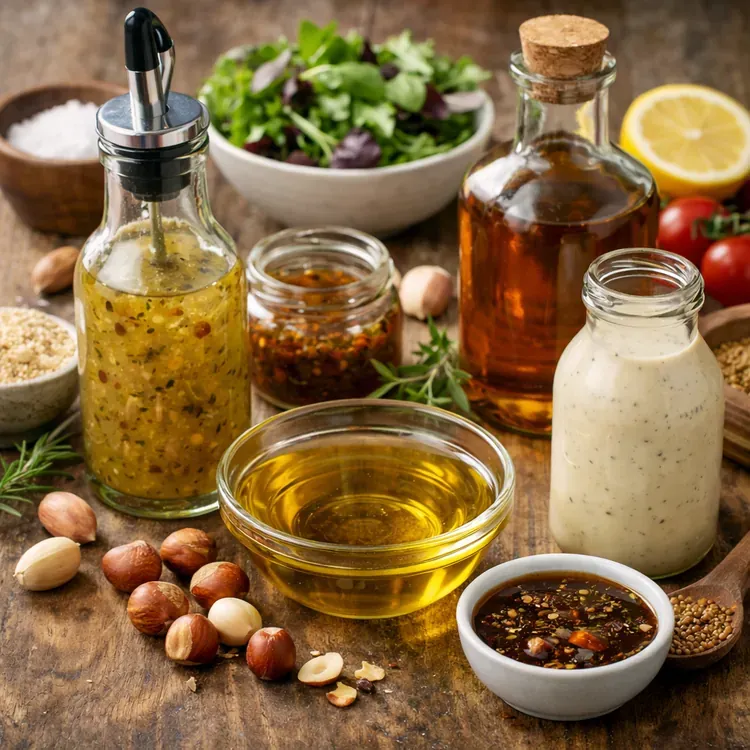
How hazelnut oil is used in dressings

Vinaigrettes

Hazelnut oil can be used as the primary oil or as a blending component with other oils to achieve a specific sensory balance. Brands often pair it with balsamic, cider vinegar, citrus, mustard, or honey for a premium profile.

  • Best for aroma-forward positioning
  • Often blended to control intensity and cost
  • Packaging and oxygen exposure strongly affect shelf-life

Emulsified dressings

In creamy systems, hazelnut oil contributes smoothness and a rounded finish. Consistency depends on stable emulsification, controlled viscosity, and choosing an oil profile that won’t dominate the flavor system.

  • Neutral oil improves formulation flexibility
  • Roasted oil delivers stronger nut character
  • Clarity/filtration supports clean processing

Marinades & sauces

Hazelnut oil can carry fat-soluble flavors (herbs, spices) and soften sharp notes, especially in premium marinades and finishing sauces. For heat-applied products, the process window and handling plan should be part of the specification discussion.

  • Great carrier for aromatics
  • Define process temperature expectations
  • Align pack size to usage rate

Recommended formats

Typical starting points for pilots and scale-up. We align the oil profile, filtration level, and packaging to your product positioning and shelf-life target.

  • Hazelnut oil (neutral/refined): clean profile for emulsified dressings and formulations where other flavors lead.
  • Hazelnut oil (aromatic/roasted style): premium “signature” oil for vinaigrettes and nut-forward dressings.
  • Hazelnut paste / puree (optional): used when you want visible nut intensity or a thicker, nut-based texture in specialty dressings.

If your dressing is positioned as “premium finishing oil,” the aromatic profile and packaging (light/oxygen protection) become your most important procurement levers.

Technical considerations

The most common variables that impact sensory consistency, stability, and manufacturing throughput for dressings.

  • Oxidation control: oxygen exposure can dull nut aroma over time; manage via packaging and storage practices.
  • Sensory alignment: define “neutral vs roasted” with references and acceptance language, not only a name.
  • Clarity & filtration: helps reduce haze/sediment concerns and supports clean dosing and pumping.
  • Cold storage behavior: some dressings are refrigerated after opening; define expectations for clouding/haze.
  • Allergen control: align labeling requirements and documentation to your destination market.
  • Traceability & COA flow: lot-level documentation supports repeatability across seasons and plants.

Packaging approach

Premium oils are sensitive to oxygen and light exposure. Packaging choice is a primary tool for protecting aroma and maintaining a clean finish.

  • Oxygen-barrier packs: reduce oxidation risk and help preserve nut aroma.
  • Headspace control: well-filled containers and sealed closures reduce oxygen-driven quality loss.
  • Bulk options: drums / tins / IBC depending on your usage rate and dosing method.
  • Retail options: formats aligned to private label and shelf presentation requirements.
  • Route-aligned palletization: packaging and stabilization for sea, road, or air freight.

For retail positioning, light exposure and repeated opening can matter as much as the initial oil quality—consider pack size and closure strategy as part of your spec.

See bulk supply details →

Typical specification markers

Below is a practical checklist used by procurement and QA teams for hazelnut oil programs in savory applications. Final values and thresholds depend on your target shelf life, packaging format, and customer requirements.

ParameterHow we align it
Sensory profileDefined as neutral or roasted-aromatic with agreed reference and acceptance language.
Peroxide value (PV)Aligned to your oxidation thresholds for shelf-life performance and release decisions.
Free fatty acids (FFA)Aligned to your quality expectations for cleanliness and stability.
Oxidation stability approachPackaging, headspace control, and storage expectations documented as part of the program.
Clarity / filtrationAligned to your appearance and handling requirements (sediment/haze expectations).
TraceabilityLot-level traceability and COA flow with each shipment.
Allergen documentationAligned to labeling and destination market expectations.
PackagingDrums/tins/IBC/retail formats as required, with export-ready palletization.

Final values depend on customer requirements and packaging format. We share lot documentation with each shipment and can support scheduled supply programs.

FAQ

Which hazelnut format is most common for premium dressings?

For premium dressings, the most common format is hazelnut oil. Many brands choose a neutral (refined/deodorized) hazelnut oil for clean texture and formulation flexibility, while others choose a more aromatic roasted-style hazelnut oil for stronger nut character.

What are the key risks for hazelnut oil in dressings?

The main risks are oxidation (which can dull flavor over time) and sensory variability between lots. Oxygen-barrier packaging, headspace control, and stable storage temperature are important, along with agreed quality markers such as peroxide value and free fatty acids.

Can you support private label or foodservice packaging?

Yes. We support bulk programs for manufacturing and also retail/private label formats, aligning packaging type, labeling requirements, and documentation to your destination market.

Do you support long-term supply programs?

Yes. We structure annual and multi-shipment programs with consistent specifications, batch documentation and forecast-based planning.

Next step

Send your dressing type, target sensory profile, annual volume, and destination. We will propose the best-fit hazelnut oil option (neutral vs roasted), packaging, and a shipment plan aligned to your shelf-life and positioning.

  • Product: vinaigrette, creamy/emulsified, marinade, finishing sauce
  • Target: subtle nut finish vs pronounced roasted aroma
  • Shelf life: unopened target + “after opening” usage pattern
  • Packaging: bulk vs retail; preferred container and pack size
  • Destination: country and any customer-specific documentation requirements
Review products