Applications Library • Bakery

Hazelnut pieces for biscuits & cookies

A practical, procurement-ready overview of using hazelnut pieces as inclusions in biscuits and cookies — including recommended cut sizes, blanch/roast options, process considerations (spread, crunch, oxidation) and packaging approaches for consistent production and shelf stability.

Back to applications
Hazelnut pieces for biscuits & cookies illustration

Where it fits

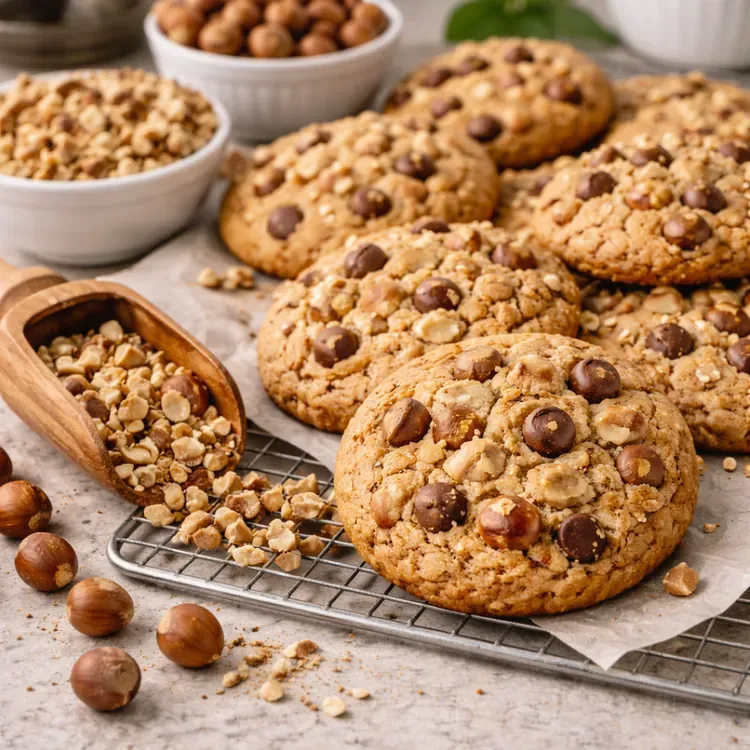
Hazelnut pieces are used in biscuits and cookies to add crunch, a recognizable premium visual, and a warm nutty aroma that becomes more pronounced during baking. In production, success depends on delivering a controlled cut that can be dosed reliably, survives mixing without excessive breakage, and stays fresh through distribution.

In this application, the main drivers are size consistency (for even distribution), roast profile alignment (for predictable flavor development), and oxidation management (to protect aroma and reduce rancidity risk over shelf life). We support manufacturers by matching the inclusion format to the line setup — from gentle, visually impactful larger pieces to smaller, depositor-friendly cuts for precise dosing.

Typical use cases include:

  • Chocolate chip-style cookies (hazelnut + chocolate inclusions)
  • Shortbread and butter biscuits (premium crunch and nut aroma)
  • Filled biscuits (pieces in dough + paste/filling system—managed for fat migration)
  • Coated cookies (pieces embedded in coating or as topping)

Hazelnut is a tree nut allergen. Ensure your allergen program (segregation, cleaning validation, labeling) is aligned before scale-up.

Screened size bands Roast profile control Oxygen protection Lot traceability
Recommended formats

Practical starting points for trials and scale-up. We align cut, roast, and packaging to your depositor, dough system, and shelf-life target.

  • Chopped / diced hazelnut pieces (screened size band for inclusions)
  • Roasted pieces (maximum aroma; requires strong oxidation management)
  • Blanched pieces (light color target; clean appearance in vanilla/butter biscuits)

For some recipes, a dual-format approach works well: pieces for crunch + a small percentage of meal/flour for flavor “body”.

Technical considerations

The variables that most often affect dosing consistency, cookie spread, bite, and shelf stability.

  • Cut size vs. dough handling: larger pieces improve visual impact; smaller pieces improve depositor consistency
  • Breakage & fines: excess fines increase dusting and can change dough behavior; screening helps control it
  • Moisture management: protects crunch and prevents softening in humid distribution conditions
  • Roast level alignment: roast drives aroma; match roast to bake profile to avoid under/over-developed notes
  • Oxidation protection: oxygen exposure can dull aroma; barrier packaging and good storage practices help
  • Fat migration (filled/coated): manage with formulation and packaging when pieces contact high-fat coatings or fillings
  • Allergen control: segregation and labeling need to be integrated into your plant program

If you share your cookie type, depositor setup and target shelf life, we can recommend a starter cut and tolerance band.

Packaging approach

For bakery inclusions, packaging is selected to preserve aroma, maintain crunch, and reduce breakage and contamination risk in transit.

  • Lined cartons or bags for pieces to limit moisture pickup and protect from foreign matter
  • Vacuum / MAP options for roasted pieces where oxidation sensitivity is higher
  • Palletization suited to sea, road, or air freight
  • Lot labels: size band, roast/blanch status, net weight, production lot ID

For roasted cuts, oxygen protection and temperature management are key to preserving aroma through shelf life.

See bulk supply details →

Typical specification markers

Below is a practical checklist used by procurement and QA teams for hazelnut pieces used in biscuits and cookies. We align each item to your dough system, equipment sensitivity, and destination market requirements.

ParameterHow we align it
Cut size / toleranceScreened size band with agreed limits for oversize, undersize and fines
Fines (dust) levelControlled to reduce dusting and improve dosing repeatability
Roast / blanch statusMatched to color target and flavor intensity; consistent roast profile where requested
MoistureControlled to support crunch and stable storage
Defect sortingScreened and optically sorted where required
Micro profileAligned to customer specifications and destination requirements
AflatoxinManaged through risk-based sourcing and partner controls
PackagingLiners / vacuum / MAP / export cartons as required

Final values depend on your process and customer requirements. We share lot documentation with each shipment.

Choosing the right cut size (quick production guide)

A structured trial approach helps you lock the right inclusion size fast and avoid issues like uneven distribution, excess breakage, or depositor variability.

  1. Define the target look: visible “nut pieces” on the surface vs. subtle distribution throughout the cookie.
  2. Check equipment constraints: depositor/nozzle size, mixing shear, and whether inclusions are added late or early.
  3. Trial two bands: one smaller (for dosing uniformity) and one larger (for premium visual).
  4. Measure breakage: compare fines level after mixing and after conveying.
  5. Validate shelf behavior: monitor aroma and crunch at accelerated storage (especially for roasted pieces).

Share your cookie type and line setup, and we’ll propose a practical starting cut and tolerance band.

FAQ

Which hazelnut format is most common for hazelnut pieces for biscuits & cookies?

Most manufacturers use chopped/diced hazelnut pieces (screened size band) as the standard inclusion. Blanched pieces are common for light-colored biscuits; roasted pieces are chosen when maximum aroma is needed.

Can you match a target particle size or cut?

Yes. We can supply calibrated cuts (chopped, diced, sliced) and align tolerance bands to your process, including limits for fines and oversize.

How do you protect roasted pieces from flavor loss over time?

Roasted pieces are more oxidation-sensitive. We typically support oxygen-barrier packaging (vacuum/MAP options where appropriate), controlled storage guidance, and consistent lot documentation to help protect aroma and reduce rancidity risk.

Do you support long-term supply programs?

Yes. We structure annual and multi-shipment programs with consistent specifications, batch documentation, and forecast-based planning.

Next step

Send your cookie/biscuit type, target cut size (or depositor constraints), roast/blanch preference, quantity and destination. We will propose suitable formats, packaging and a shipment plan.

Review products