Applications Library • Confectionery

Hazelnut pieces for chocolate-coated snacks

A practical, procurement-ready overview of hazelnut pieces used in chocolate-coated snacks — including recommended formats, technical considerations for enrobing/panning lines, and packaging approaches that protect crunch, aroma, and shelf stability.

Back to applications
Hazelnut pieces for chocolate-coated snacks illustration

Where it fits

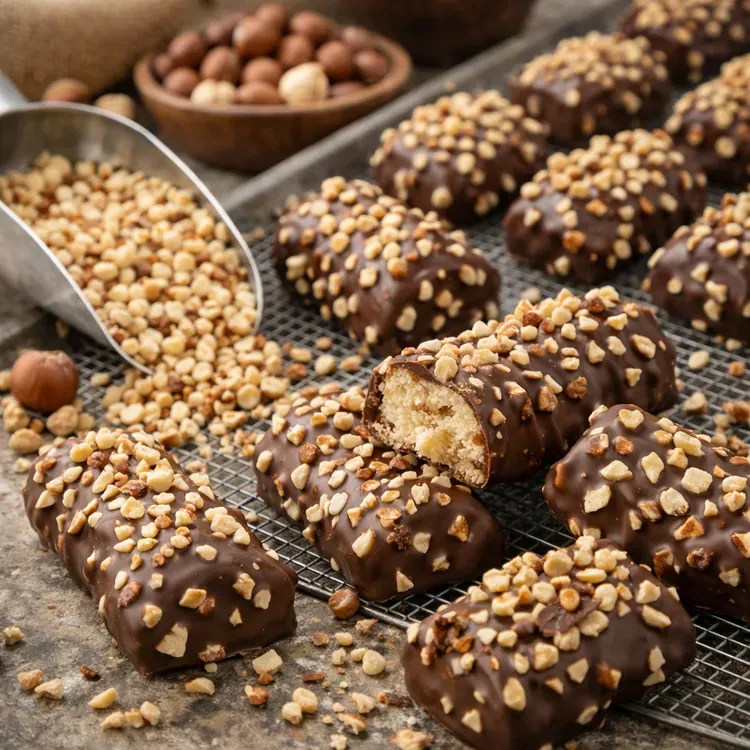
Chocolate-coated snacks rely on contrast: a clean chocolate snap paired with a crunchy, aromatic inclusion. Hazelnut pieces are widely used to deliver roasted aroma, nutty sweetness, and a premium visual cue on bars, clusters, biscuits, wafers, and bite-size snacks. In many products, hazelnuts are applied as an exterior topping, which makes particle control and clean handling especially important for high-throughput lines.

This application typically has three procurement drivers: consistent coverage (pieces adhere evenly and look premium), line compatibility (low dust and predictable flow), and shelf stability (reducing rancidity and aroma loss over time). Selecting the right cut, roast direction, and packaging method helps protect both process efficiency and final product quality.

Hazelnut is a tree nut allergen. Chocolate-coated snack plants often run multiple allergens and flavors; documentation and segregation planning are common requirements for retail customers and co-manufacturing approvals.

Controlled cuts Low fines programs Oxygen-protective packing Lot traceability

Recommended formats

Typical starting points for pilots and scale-up. We align cut, roast, and packaging to your coating method (enrobed or panned).

  • Roasted diced / chopped pieces (coverage + crunch, controlled distribution)
  • Sliced hazelnuts (premium visual topping and surface coverage)
  • Hazelnut meal / flour (uniform surface, adhesion aid, texture systems)

Technical considerations

Key variables that impact throughput, adhesion, appearance, and shelf life.

  • Size distribution and dust limits for consistent dosing and clean lines
  • Moisture control to protect chocolate snap and reduce bloom risk drivers
  • Roast direction matched to aroma target and process heat exposure
  • Oxidation management for aroma retention and rancidity prevention

Packaging approach

We can supply lined cartons, vacuum or MAP options and palletization suited to sea, road or air freight.

For roasted pieces and meal, oxygen barrier and temperature management are key. The goal is to preserve hazelnut aroma while keeping handling clean and consistent.

See bulk supply details →

How hazelnut pieces behave on coating lines

Chocolate-coated snacks are produced on systems designed for speed and repeatability. Hazelnut pieces must flow predictably, adhere evenly, and remain visually stable through packaging and distribution. Below are the practical points procurement and production teams typically lock early.

1) Enrobing vs panning: different demands

In enrobing, pieces are often applied onto a wet chocolate curtain or immediately after coating. The key is consistent dosing and low fines so the chocolate viscosity remains stable and the belt stays clean. In panning, repeated chocolate layers can trap fines and create build-up; tight dust control is especially valuable.

2) Particle size, geometry, and adhesion

A controlled cut size helps pieces “sit” on the chocolate surface and reduces rolling or shedding. Smaller, more uniform pieces deliver smooth coverage; larger pieces create a bolder premium look but require tighter tolerance to avoid inconsistent packs.

3) Moisture, texture, and finished snap

Chocolate prefers a dry, stable environment. Hazelnut pieces with well-managed moisture help protect crispness and reduce textural softening over time. Stable moisture also supports consistent adhesion and reduces surprises during packing.

4) Fat management and shelf stability

Nuts are fat-rich ingredients, and oxidation is the main driver of “stale” or rancid notes. Protecting hazelnut aroma requires oxygen-barrier packaging and sensible temperature control across warehousing and transit.

Practical trial tip: Run a short trial at “high dust” and “low dust” conditions to see the impact on belt cleanliness, chocolate thickening, and bottom-of-pack fines. Many teams find dust limits are one of the highest ROI specification items for coated snack programs.
Typical specification markers

Below is a practical checklist used by procurement and QA teams for hazelnut pieces intended for chocolate-coated snacks. We align each item to your destination market, customer requirements and processing level.

ParameterHow we align it
Cut size distributionDefined target range and tolerance band for consistent coverage
Dust / finesManaged to reduce line build-up and bottom-of-pack sediment
MoistureControlled to support crunch, adhesion, and stable coating performance
Roast levelMatched to your flavor target and process conditions
Defect sortingScreened and optically sorted where required
Micro profileAligned to customer specifications and destination requirements
AflatoxinManaged through risk-based sourcing and partner controls
PackagingVacuum / MAP / liners and export cartons as required

Final values depend on product form and customer requirements. We share lot documentation with each shipment.

FAQ

Which hazelnut format is most common for hazelnut pieces for chocolate-coated snacks?

Most chocolate-coated snack producers start with roasted diced or chopped hazelnut pieces because they provide strong aroma and consistent crunch without disrupting enrobing. Sliced hazelnuts are used for premium visual coverage, and meal/flour is used when a uniform surface or adhesion aid is needed.

What cut-size details matter most for enrobed and panned products?

The most important details are size distribution (tolerance band), dust/fines limits, and piece geometry. Controlled cuts support consistent dosing and even coverage, while low fines reduce chocolate thickening, build-up on belts, and bottom-of-pack sediment.

How do you protect shelf life and prevent rancidity?

Oxidation control is the main lever: appropriate roast direction, low moisture targets, oxygen-barrier packaging (vacuum or MAP where required), and temperature management during storage and transport. These measures preserve aroma and reduce flavor drift over time.

Do you support long-term supply programs?

Yes. We structure annual and multi-shipment programs with consistent specifications, batch documentation and forecast-based planning.

Next step

Send your snack format (enrobed bar, cluster, biscuit, panned bite), target coverage rate, preferred cut size, roast direction, monthly volume, and destination. We will propose suitable hazelnut piece formats, packaging, and a shipment plan built for clean line performance, premium appearance, and stable shelf life.

Review products